Hurricane Season Property Cleanup: Your Complete Guide to Post-Storm Recovery in Central Florida
Living in Central Florida means preparing for hurricane season every year. When storms hit Polk County, property owners from Winter Haven to Lakeland face the daunting task of cleanup and restoration. This comprehensive guide walks you through the entire post-storm recovery process, from initial assessment to final debris removal.
Before the Storm: Essential Preparation Steps
Preparation can significantly reduce post-storm cleanup time and costs. Start by documenting your property with photos and videos for insurance purposes. Clear loose items from your yard, including patio furniture, potted plants, and decorative elements that could become projectiles.
Trim trees and remove dead branches that might fall during high winds. Identify vulnerable structures like sheds, fences, and screen enclosures that may need reinforcement. Create an inventory of outdoor equipment and vehicles, noting their pre-storm condition.
Store important documents in waterproof containers and maintain a list of emergency contacts including your insurance company, local emergency services, and property maintenance professionals. Having these preparations complete before storm season saves valuable time when hurricanes threaten.
Common Storm Damage in Polk County Properties
Central Florida properties face unique challenges during hurricanes. The flat topography of areas like Auburndale and Eagle Lake can lead to significant flooding, while the numerous lakes throughout Polk County can overflow, causing waterfront property damage.
Tree damage remains the most common issue, with Florida's shallow-rooted palms and aging oaks particularly vulnerable. Fallen trees often damage roofs, vehicles, and power lines, creating complex removal situations requiring specialized equipment like 14K flatbed trailers with winches.
Fence systems throughout residential neighborhoods frequently fail during hurricanes, with vinyl and wood fences suffering the most damage. Commercial properties face additional challenges including damaged signage, flooded parking areas, and compromised landscaping that affects business operations.
Mobile homes and manufactured housing, common throughout Central Florida, require special attention as they're particularly vulnerable to wind damage and often need complete debris removal and site restoration.
The First 48 Hours: Safety and Assessment
Never enter your property until local authorities declare it safe. Watch for downed power lines, which may be hidden under debris or in standing water. Assume all power lines are energized and maintain at least 30 feet of distance.
Document all damage thoroughly before beginning any cleanup. Take photos from multiple angles, including close-ups of specific damage and wide shots showing overall impact. This documentation proves essential for insurance claims and contractor estimates.
Check for structural damage including shifted foundations, damaged roof trusses, or compromised walls. If you notice any structural concerns, contact a professional inspector before proceeding with cleanup. Standing water poses serious health risks, potentially containing sewage, chemicals, or harmful bacteria.
Identify and secure hazardous materials like propane tanks, gasoline containers, or pool chemicals that may have been displaced. These require special handling and should not be mixed with regular storm debris.
Professional Cleanup vs. DIY: Making the Right Choice
While minor debris removal might seem manageable, professional cleanup services offer significant advantages. Experienced teams understand proper disposal regulations, have commercial-grade equipment, and carry appropriate insurance coverage for liability protection.
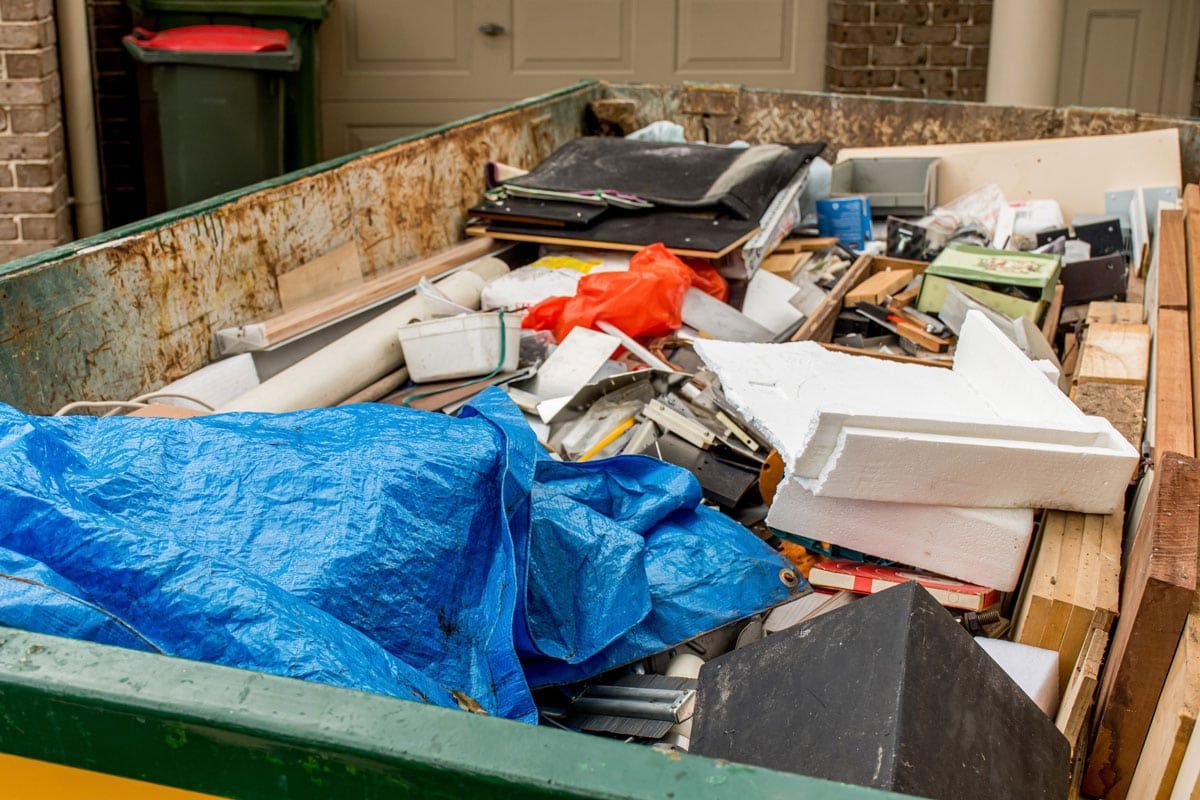
Professional services complete cleanup faster, often in days rather than weeks. They handle heavy debris like fallen trees, damaged structures, and waterlogged materials that require specialized equipment. Dump trailer rentals (6x12 or 7x14) provide efficient debris collection and transportation to approved disposal sites.
DIY cleanup works for small properties with minimal damage, but consider professional help for tree removal, structural demolition, contaminated materials, large debris volumes, or time-sensitive situations. The cost difference often proves minimal when factoring in equipment rental, disposal fees, and time investment.
Insurance companies frequently prefer professional cleanup services as they provide proper documentation, follow safety protocols, and ensure complete removal according to local regulations.
Navigating Insurance Claims and Documentation
Contact your insurance company immediately after the storm to begin the claims process. Most policies have specific timeframes for reporting damage, and early communication prevents complications later.
Keep detailed records of all cleanup activities including dates, services performed, and costs incurred. Save all receipts, even for small purchases like tarps or cleaning supplies. These expenses often qualify for reimbursement under comprehensive coverage.
Many insurance policies cover emergency mitigation services to prevent further damage. This includes temporary repairs, water extraction, and debris removal that protects remaining property. Professional cleanup services can often bill insurance directly, reducing your out-of-pocket expenses.
Understand your policy's coverage limits and deductibles. Florida law requires specific hurricane deductibles, typically 2-5% of your property value, which applies separately from your standard deductible.
Polk County Disposal Regulations and Requirements
Polk County implements specific storm debris management procedures following hurricanes. Residential properties should separate debris into categories: vegetative (trees, branches), construction materials (fencing, roofing), appliances, and household hazardous waste.
Place debris curbside but not blocking roads, sidewalks, or storm drains. Keep piles away from mailboxes, fire hydrants, and utility equipment. The county typically provides multiple pickup passes, but timing varies based on storm severity and available resources.
Commercial properties must arrange private debris removal and cannot use county services. Proper documentation of disposal locations ensures compliance with environmental regulations. Local transfer stations may waive fees for storm debris during declared emergencies, but confirmation is essential.
Illegal dumping carries substantial fines and potential criminal charges. All debris must go to approved facilities, with special requirements for electronics, appliances containing refrigerants, and hazardous materials.
Timeline for Complete Property Recovery
Recovery timelines vary significantly based on damage extent and available resources. Initial debris removal typically takes 1-3 weeks for residential properties, assuming professional service availability. Commercial properties may require longer due to additional compliance requirements.
Structural repairs follow debris removal and can extend several months depending on contractor availability and permit processing. Florida's post-storm demand surge often creates delays, making early contractor engagement crucial.
Landscape restoration should wait until major repairs complete. Replanting too early risks damage from construction equipment and activities. Plan for full landscape recovery to take 6-12 months, considering Florida's growing seasons.
Complete property restoration, including all repairs and landscaping, typically requires 3-6 months for moderate damage and up to a year for severe impact. Patience and realistic expectations help manage the stress of extended recovery periods.
Special Considerations for Different Property Types
Waterfront properties along Winter Haven's Chain of Lakes require special attention to dock damage, seawall integrity, and aquatic debris. Waterfront clearing often involves underwater hazards requiring specialized equipment and expertise.
Agricultural properties throughout rural Polk County face unique challenges with damaged irrigation systems, fallen fence lines, and scattered equipment. These properties often require heavy equipment like tractors and flatbed trailers for efficient cleanup.
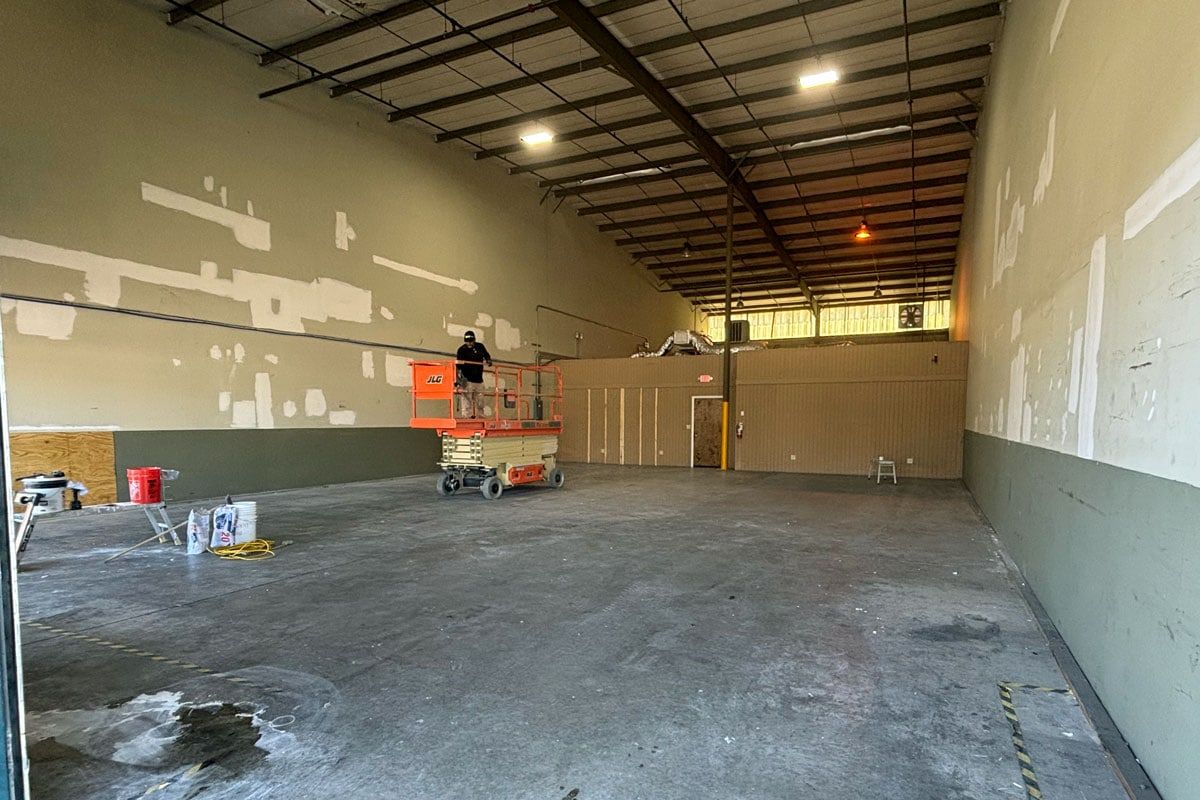
Commercial properties must address business interruption concerns alongside physical cleanup. Parking lot repairs, line striping restoration, and signage replacement ensure businesses can reopen quickly. Office space resets may be necessary if water damage affects interior spaces.
Storage facilities frequently experience unit damage requiring complete cleanouts. These situations demand sensitivity as renters may have lost irreplaceable items. Professional services handle these cleanouts with appropriate care and documentation.
Environmental Responsibility During Cleanup
Storm cleanup generates enormous waste volumes, making environmental responsibility crucial. Vegetative debris can be mulched and recycled rather than landfilled. Many Polk County facilities accept storm vegetation for conversion into useful mulch products.
Metal debris from fencing, roofing, and structures has significant recycling value. Separating metals reduces disposal costs while supporting environmental sustainability. Appliances require special handling to remove refrigerants before recycling.
Donate salvageable items rather than disposing of them. Many Central Florida organizations accept building materials, furniture, and household items in usable condition. This reduces waste while helping storm-affected community members.
Hazardous materials need proper disposal through designated collection events or permanent facilities. Never mix hazardous waste with regular storm debris as this contaminates entire loads and creates environmental risks.
Preparing for Future Storms
Each storm provides learning opportunities for better future preparation. Document what worked and what didn't in your preparation and recovery efforts. Update your emergency plan based on these experiences.
Consider property improvements that reduce future storm vulnerability. Tree trimming, fence reinforcement, and drainage improvements minimize potential damage. Installing impact-resistant windows and reinforced garage doors provides long-term protection.
Maintain relationships with reliable cleanup and restoration services. Having established contacts ensures faster response when storms threaten. Keep updated insurance information and understand your coverage before the next hurricane season.
Create a comprehensive property inventory including photos, videos, and detailed descriptions. Store this information digitally in multiple locations for easy access after storms. Regular updates ensure accurate documentation for insurance purposes.
Get Your Free Property Maintenance Quote Today
Recent Posts