The Hidden Costs of Neglecting Commercial Property Maintenance
Your commercial property makes a first impression long before customers walk through your door. In Polk County's competitive business environment, from downtown Winter Haven to Lakeland's industrial corridors, property appearance directly impacts your bottom line. Understanding the true cost of deferred maintenance helps business owners make informed decisions about property care investments.
Understanding Deferred Maintenance Impact
Deferred maintenance creates a compound effect where small issues become major problems. What starts as minor concrete cracking in your parking lot evolves into extensive asphalt repair needs. Florida's intense UV exposure and frequent rain accelerate deterioration when maintenance gets postponed.
Property values decline faster than maintenance costs accumulate. Commercial real estate appraisers consistently reduce valuations for visible maintenance issues, often by amounts far exceeding repair costs. A property showing obvious neglect might lose 10-15% of its value, while maintenance costs typically represent only 2-3% of property value annually.
Insurance companies increasingly factor property condition into premium calculations. Neglected properties face higher premiums, reduced coverage options, and potential policy non-renewal. Maintaining detailed maintenance records demonstrates responsible ownership and supports favorable insurance terms.
Tenant retention becomes challenging when properties show visible neglect. Modern businesses expect professional environments for employees and customers. Losing a tenant costs thousands in lost rent, marketing expenses, and tenant improvement allowances for replacements.
Florida's Unique Property Challenges
Central Florida's climate creates specific maintenance challenges unknown in other regions. Year-round humidity promotes aggressive mold and algae growth on building exteriors. What appears as minor discoloration quickly becomes extensive biological growth requiring professional pressure washing.
Intense UV radiation degrades materials faster than in northern climates. Parking lot striping fades within 18-24 months, roof coatings break down prematurely, and exterior paint chalks and peels. Without regular maintenance, these surfaces require complete replacement rather than simple refresh.
Afternoon thunderstorms test drainage systems daily during summer months. Clogged gutters and poor grading cause water intrusion, foundation problems, and landscape erosion. Regular maintenance prevents water damage that costs exponentially more to repair than prevent.
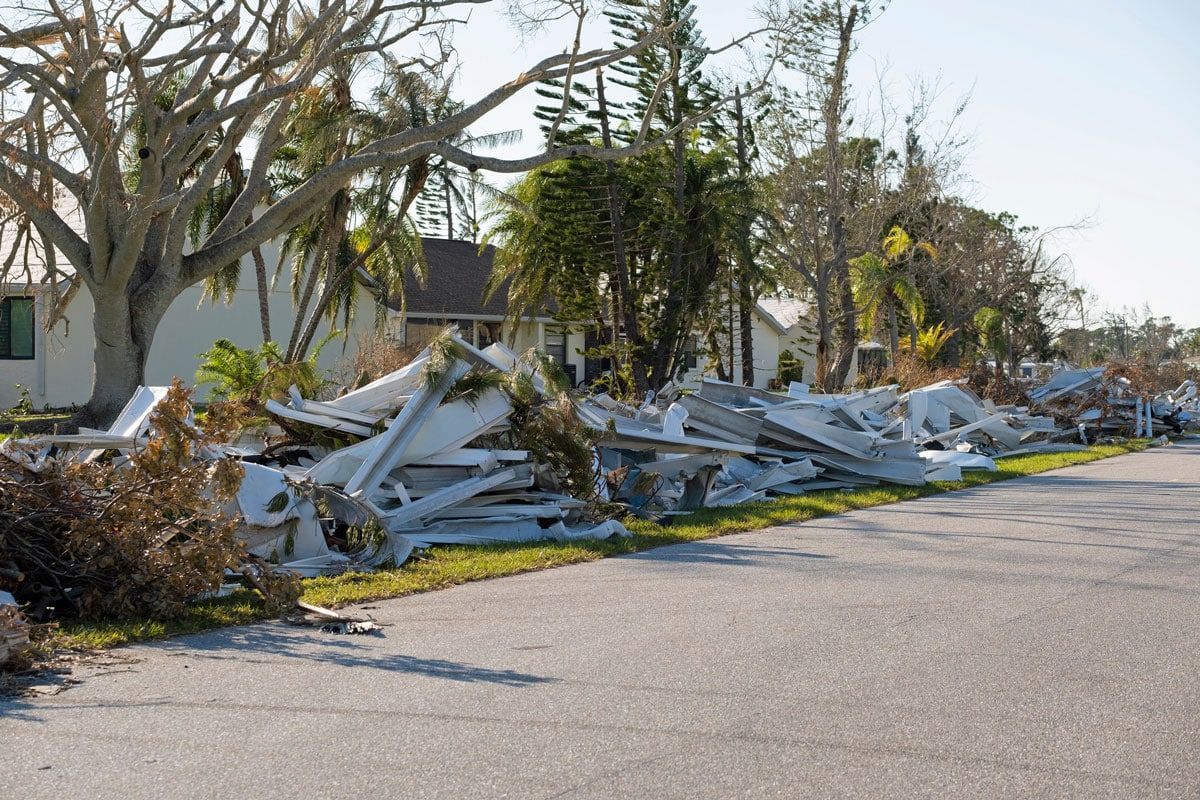
Hurricane season adds another dimension to maintenance planning. Properties with deferred maintenance suffer disproportionate storm damage. Loose siding becomes projectiles, compromised roofs fail completely, and weakened trees fall, causing extensive damage.
Breaking Down Maintenance vs. Replacement Costs
Parking lot maintenance provides clear cost comparisons. Sealcoating and line striping every 2-3 years costs approximately $0.20-0.30 per square foot. Delaying this maintenance leads to asphalt deterioration requiring overlay at $2-3 per square foot or complete replacement at $4-6 per square foot.
Pressure washing building exteriors annually costs $0.10-0.25 per square foot while maintaining appearance and preventing damage. Allowing biological growth to persist leads to permanent staining, material degradation, and eventual siding replacement at $5-15 per square foot.
Roof maintenance including regular cleaning and minor repairs runs $500-1,500 annually for typical commercial buildings. Neglecting roofs leads to premature replacement costing $5-10 per square foot, often totaling $50,000-100,000 for moderate-sized commercial properties.
Landscape maintenance might seem cosmetic, but proper care prevents expensive problems. Regular tree trimming costs $200-500 per tree, while removing fallen trees after storms runs $1,000-5,000 each, plus potential damage to structures and vehicles.
Creating Your Annual Maintenance Schedule
January through March focuses on post-winter recovery and preparation for Florida's wet season. Schedule parking lot repairs, sealcoating, and line striping during these drier months. Address any cold weather damage to irrigation systems and landscaping.
April through June emphasizes storm preparation. Trim trees before hurricane season, secure loose building elements, and ensure drainage systems function properly. Complete exterior painting projects before summer rain patterns establish.
July through September requires vigilant moisture management. Monthly pressure washing prevents biological growth from establishing. Monitor and maintain HVAC systems working overtime during peak summer heat. Address drainage issues immediately to prevent water damage.
October through December allows major project completion after hurricane season. Schedule roof maintenance, major landscape projects, and extensive exterior repairs. Plan next year's maintenance budget and schedule contractor services in advance.
Essential Services for Florida Commercial Properties
Pressure washing stands as the most critical maintenance service for Florida properties. Monthly or quarterly cleaning prevents permanent staining and material degradation. Focus on building entrances, walkways, and areas with heavy biological growth.
Parking lot maintenance encompasses more than aesthetics. Proper striping ensures ADA compliance, maximizes parking efficiency, and reduces liability exposure. Sealcoating protects asphalt investment while presenting a professional appearance.
Exterior building maintenance includes siding cleaning, soffit and fascia repairs, and regular painting. Vinyl and Hardie board siding require different maintenance approaches, but both need regular attention in Florida's climate.
Landscape maintenance goes beyond simple mowing. Proper tree trimming, mulch replacement, and irrigation management prevent property damage while maintaining curb appeal. Professional landscape maintenance typically returns $2-3 for every dollar invested through improved property values.
ROI and Business Benefits
Customer perception studies consistently show property appearance influences purchasing decisions. Businesses with well-maintained properties report 15-20% higher customer satisfaction scores. This translates directly to increased revenue and customer retention.
Employee satisfaction and productivity improve in well-maintained environments. Studies indicate employees in properly maintained facilities show 12% higher productivity and 23% lower turnover rates. Reduced turnover saves thousands in recruitment and training costs.
Maintenance investments qualify for valuable tax benefits. Operating expense deductions, depreciation advantages, and potential energy efficiency credits offset maintenance costs. Documented maintenance also supports higher property valuations for refinancing purposes.
Insurance claims process more smoothly for well-maintained properties. Adjusters view maintenance records favorably, often resulting in better settlement terms. Prevented claims through maintenance save deductibles and prevent premium increases.
Compliance and Legal Considerations
Polk County commercial property codes require specific maintenance standards. Violations result in fines starting at $250 daily, quickly exceeding maintenance costs. Code enforcement particularly focuses on life safety issues like trip hazards and structural integrity.
ADA compliance demands ongoing attention. Parking lot striping must maintain specific dimensions and visibility. Walkways require regular inspection for trip hazards. Non-compliance risks lawsuits with damages far exceeding maintenance costs.
Environmental regulations affect maintenance practices. Pressure washing requires proper water management and disposal. Chemical usage must follow EPA guidelines. Violations carry substantial fines and potential criminal charges for severe cases.
Lease agreements often specify maintenance requirements. Failure to maintain properties according to lease terms can trigger tenant remedies including rent withholding, lease termination, or damage claims. Clear maintenance standards protect both landlords and tenants.
Technology and Modern Maintenance Approaches
Drone inspections revolutionize property assessment. Regular aerial surveys identify developing issues before they become visible from ground level. This technology particularly benefits roof inspections and large property evaluations.
Predictive maintenance software helps schedule services optimally. By tracking maintenance history and predicting failure points, these systems prevent emergency repairs while minimizing unnecessary maintenance.
Green maintenance practices reduce costs while improving sustainability. Low-pressure washing systems use less water, LED lighting reduces energy costs, and native landscaping minimizes irrigation needs. These practices often qualify for utility rebates and tax incentives.
Mobile technology streamlines maintenance management. Cloud-based platforms allow real-time communication with maintenance providers, instant photo documentation, and automated scheduling. This efficiency reduces administrative costs while improving service quality.
Case Studies: Polk County Success Stories
A Winter Haven retail center increased occupancy from 75% to 95% after implementing comprehensive maintenance programs. The $50,000 annual maintenance investment generated $200,000 in additional rental income plus improved tenant retention.
An Auburndale industrial facility avoided $250,000 roof replacement through preventive maintenance costing $5,000 annually. Regular cleaning and minor repairs extended roof life by 10 years, providing exceptional return on investment.
A Lakeland office complex reduced insurance premiums by 20% after documenting three years of consistent maintenance. The premium savings alone offset 40% of maintenance costs while improving property value for recent refinancing.
A Bartow shopping center eliminated slip-and-fall claims through regular pressure washing and parking lot maintenance. Previous claims averaging $30,000 annually dropped to zero, saving insurance deductibles and preventing premium increases.
Building Your Maintenance Team
Selecting qualified maintenance providers requires careful evaluation. Verify proper licensing, insurance coverage, and local references. Florida's contractor licensing requirements protect property owners from unqualified providers.
Establish service agreements ensuring consistent maintenance schedules. Regular service providers become familiar with your property, identifying issues early and providing consistent quality. Long-term relationships often include preferential pricing and priority emergency response.
Document all maintenance activities thoroughly. Digital maintenance logs, before/after photos, and detailed invoices support insurance claims, tax deductions, and property valuations. This documentation proves invaluable during property sales or refinancing.
Regular communication with maintenance providers prevents surprises. Monthly property walks identify developing issues before they require emergency response. Proactive communication reduces costs while maintaining property appearance consistently.
Get Your Free Property Maintenance Quote Today
Recent Posts